
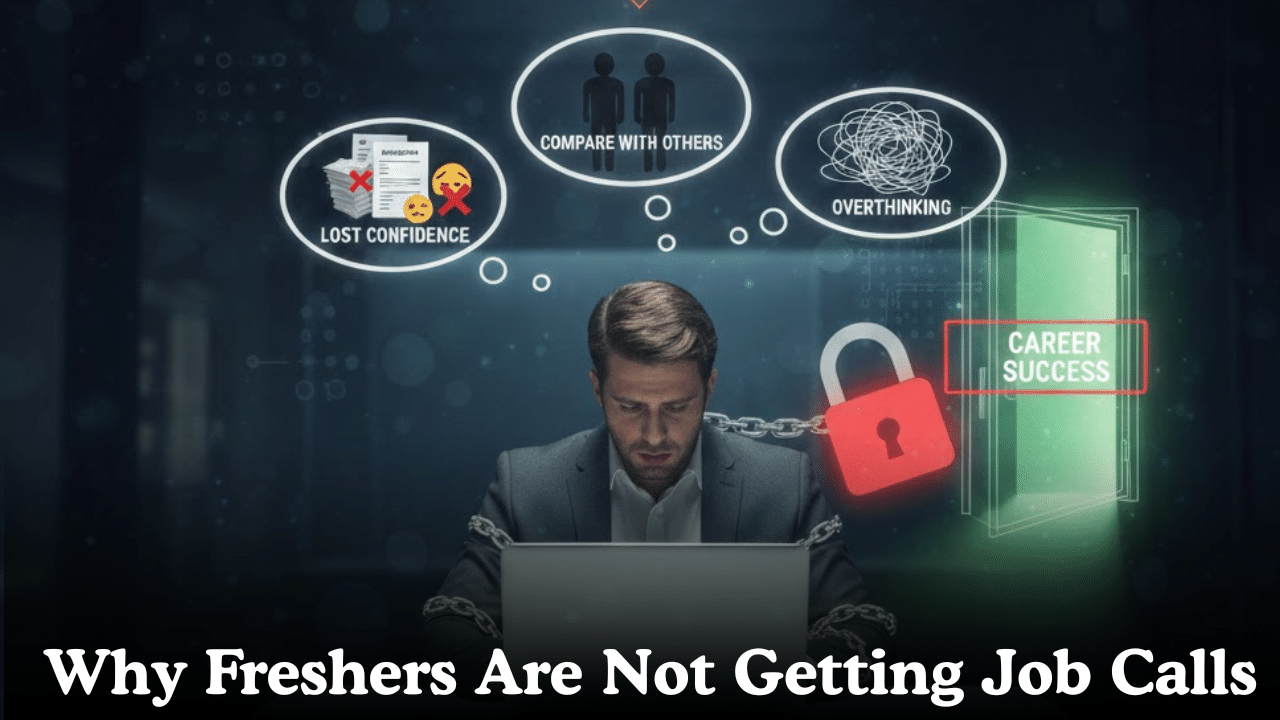

Why Freshers Are Not Getting Job Calls In India. Every year, lakhs of freshers complete their graduation with the hope of many dreams and confidence to get a perfect job to grow in their career, and after graduation, they apply for many jobs, but sadly, they don’t get interview calls. Then every fresh situation creates frustrations, self-doubts, and fear about the future. If you are a fresher, this article may help you to know the real reasons why fresher don’t get calls, and I will explain how to fix each problem practically to get more interview calls. Dreams of starting their career. In this article, I will explain some major points that every fresher should follow
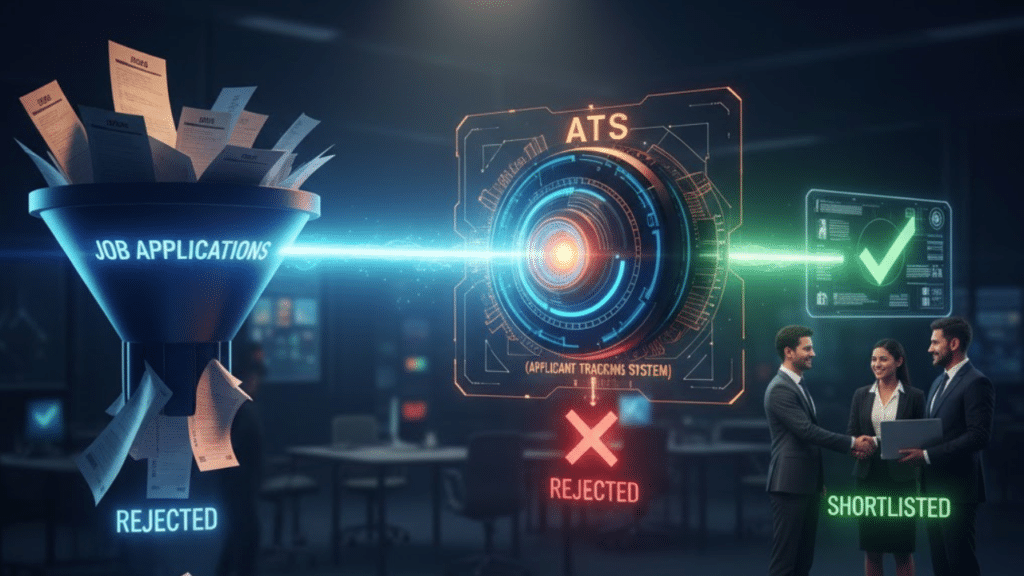
1. Resume Is Not ATS-Friendly (Biggest Reason)
Many freshers don’t know that many companies use ATS (Applicant Tracking System) to filter their resumes before HRs see them. Freshers always create resumes with stylish and heavy colours and designs.
Common mistakes:
- Heavy Designs, tables, graphics
- Skipping job-related keywords
- Single resume for all jobs
- not focusing on the main points
Even a good candidate can get rejected if their resume is not ATS-readable.
Fix these issues :
- As a Fresher, Always Apply through a single-page resume
- Avoid tables, images, icons, and colors
- Customize a resume as per each job role
- Add keywords from the job description
- Focus on skills, projects, internships, not marks
Always keep it in mind, don’t try to impress with designs, always focus on keywords, grammar, and formatting.
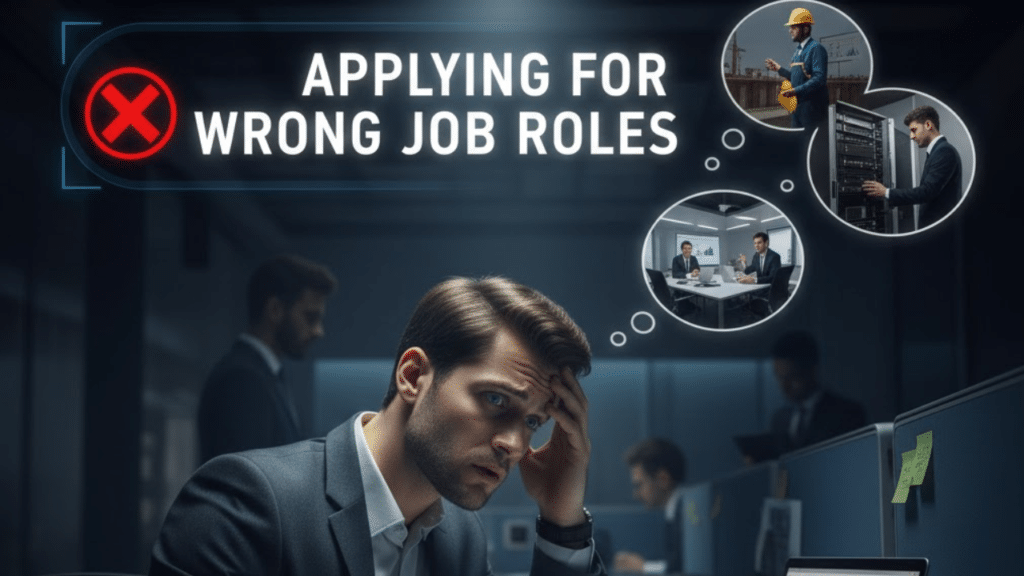
2. Applying for Wrong Job Roles
Many freshers apply for multiple roles randomly
- Software roles without coding basics
- Data analyst jobs without SQL/Excel
- MBA roles without communication skills
Applying without matching the minimum eligibility requirements results in automatic rejection.
Fix these issues :
Know about yourself before applying:
- Do I have at least 60–70% of the required skills?
- Have I learned the basics mentioned in the JD?
- Can I explain this role confidently in an interview?
If not, pause applying, skill up for 30–60 days, then apply again.
3. Lack of Practical Skills (Certificate ≠ Skills)
Freshers depend too much on online certifications, the college syllabus, and only on theoretical knowledge. Actually, recruiters don’t care about how many certifications do u have; they will always care about can do work or not, and do u learn fast or not. They will mainly check your problem-solving skills and always focus on building project practice tools, and try to solve problems smartly. Update ur LinkedIn naukari GitHub.

4. Poor LinkedIn Profile
90% freshers don’t have a proper LinkedIn profile; they just log in to their account and keep applying daily without proper details and headline summaries, and no skills section, and inactive profiles, and many recruiters search for candidates on LinkedIn daily. If your profile is weak, you are not visible to them, so before applying to jobs, make sure you fix these issues in your LinkedIn profile, like a professional photo, clear headlines (role + skills), and about you and projects, and internships.
5. Communication Skills Are Weak
Many freshers have knowledge but struggle to explain clearly during hr rounds and technical rounds, and they are not able to speak confidently with the recruiting team. This may lead to silent rejection reasons, especially in MNC companies, and many people try to learn perfect English, but at least u need to communicate clearly, so I will say a few points clearly, practice them daily to become clear communications
Practice speaking daily (mirror, phone)
Watch interviews, podcasts
Learn basic professional phrases
Attend mock interviews
Confidence matters more than accent.

6. No Career Clarity
Many freshers say that “I’m open to any job” Later, they will be confused in creating resumes and preparing for interviews and skills selection. Based on many hiring we observed that Recruiters always prefer candidates with clear directions to choose one main career path, like IT / Non-IT / Banking / Govt, then start preparing resumes and apply for jobs, and improve skills

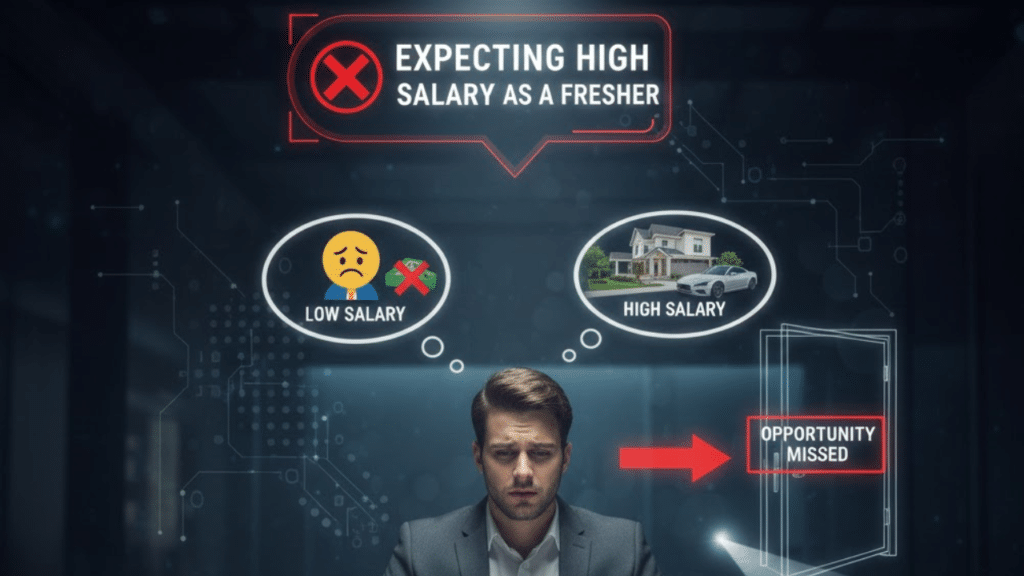
7. Expecting a High Salary as a Fresher
Some freshers reject offers because the salary is low, and the company is small and the role is entry-level, but the dark fact is that many experienced people came with low salary, and after a few years, they get skills exposure and experience, and mainly keep this point in mind, second job = real money.
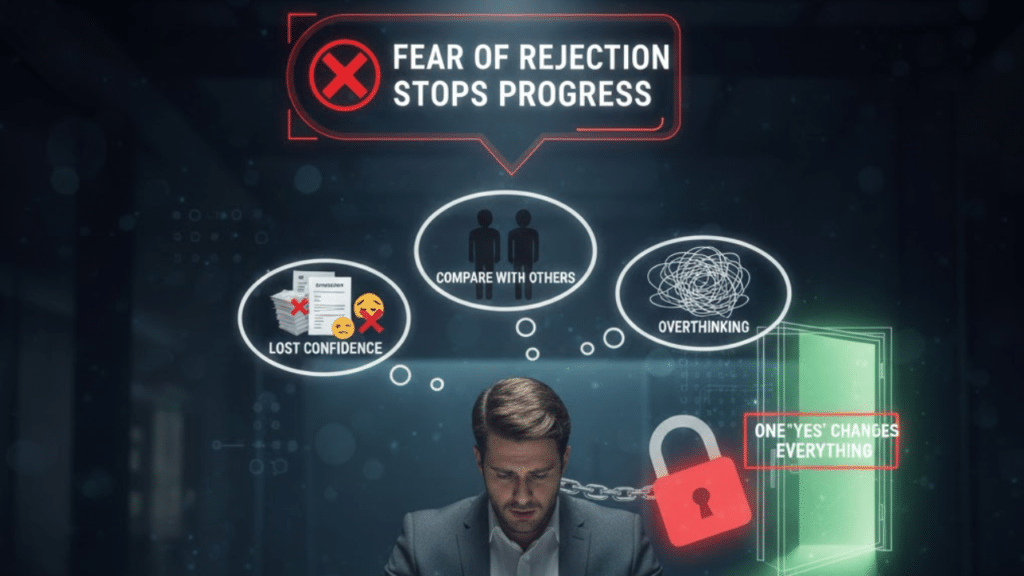
8. Fear of Rejection Stops Progress
After many rejections, freshmen stop applying for jobs due to loss of confidence, comparing with others, and overthinking. This will block your mind from applying for jobs again and increase your success. But understand one thing: rejection is a part of success, and even top candidates will face rejections, but they will follow consistent discipline and apply again and again. One positive interview can change everything, so focus on improving daily and tracking applications, and learn from mistakes. This is part of, like, never expecting the easiest ways and the easiest success.
If you are not getting job calls, don’t panic.Instead, fix these areas step by step:
Resume
Skills
Clarity
Communication
Smart applying
Consistency for 90 days can change your career direction completely.
